
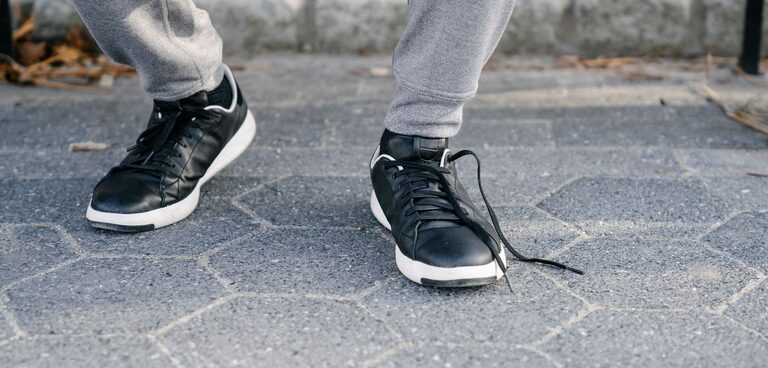
Walking is one of the simplest ways to stay active, run errands, explore your neighborhood, or enjoy time outdoors. The right shoes can make these everyday walks more comfortable and enjoyable. However, choosing a pair involves more than picking a color or style you like.
Comfortable walking shoes should fit well, support your movement, and suit the surfaces and distances you walk most often. With a few simple checks, you can find shoes that feel good from the first step and remain useful over time.
Start With How You Walk
Before shopping, think about your usual walking routine. The best shoes for short trips around town may not be the same as those needed for long walks in a park.
Consider these questions:
- How far do you usually walk?
- Do you walk mostly on sidewalks, indoor floors, trails, or a mix of surfaces?
- Will you wear the shoes in warm, cool, wet, or changing weather?
- Do you need a casual style for daily outfits, or a sportier design?
- Do you carry a bag or walk on hills regularly?
For paved surfaces, lightweight walking or athletic shoes are often practical. If your route includes uneven paths, shoes with a more secure sole and added protection may be a better choice. Matching the shoe to your routine helps you avoid paying for features you will not use while ensuring the pair can handle your everyday needs.
Focus on a Proper Fit
A good fit is one of the most important parts of comfortable footwear. Shoes that are too tight can create pressure and rubbing, while shoes that are too loose may cause your feet to slide inside them.
When trying on shoes, check the following:
Leave Enough Room in the Toe Area
Your toes should be able to move naturally without touching the front of the shoe. Leave a small amount of space between your longest toe and the end of the shoe. Feet may swell slightly during the day, so try shoes in the afternoon or evening when possible.
Check the Width
The shoe should hold your foot securely without squeezing the sides. Look for pressure points around the toes, the widest part of the foot, and the heel. If the shoe feels tight in the store, it is unlikely to become more comfortable with regular wear.
Make Sure the Heel Stays in Place
Your heel should remain comfortably in the shoe as you walk. A small amount of movement is normal, but excessive slipping can lead to rubbing. Adjust the laces or straps and take a few steps to see whether the shoe feels secure.
Try Both Shoes
Feet are not always exactly the same size. Try on both shoes and judge the fit by the larger or more sensitive foot. Wear the type of socks you expect to use with the shoes so you can get a more accurate feel.
Look for Useful Support
Comfort does not always mean the softest possible shoe. A very soft sole may feel pleasant at first but may not provide the stability you prefer during longer walks. Look for a balanced design that supports your natural movement without feeling stiff or heavy.
A supportive everyday walking shoe usually has:
- A firm but comfortable heel area
- A sole that bends near the front of the foot
- A stable base that does not twist too easily
- A secure fastening system, such as laces, straps, or adjustable closures
The shoe should bend where your foot naturally bends, rather than folding in the middle. This allows a more natural walking motion. Avoid shoes that feel difficult to move in or that force your feet into an unusual position.
Choose the Right Cushioning
Cushioning helps absorb some of the impact from walking, especially on hard surfaces. The ideal amount depends on your personal preference, walking habits, and the feel you want from the shoe.
Light cushioning may feel flexible and responsive. More cushioning can provide a softer step, but it may also make the shoe feel less stable or less connected to the ground. Try several options and walk around the store for a few minutes.
Pay attention to how the shoes feel when you:
- Walk at your normal pace
- Turn from side to side
- Stand still for several minutes
- Walk up or down a small incline if possible
Do not choose a shoe only because it feels soft when you first put it on. Comfort should remain consistent as you move.
Consider Breathable Materials
Breathable materials can help keep your feet more comfortable during longer walks or warmer weather. Mesh and other ventilated fabrics allow more airflow, while leather and synthetic materials may offer a different balance of structure, durability, and weather protection.
Think about where and when you will wear the shoes. Breathable fabric may be useful for summer walks, while a more protective upper can be helpful in cool or damp conditions. In any material, check the inside of the shoe for rough seams, stiff edges, or areas that could cause friction.
Examine the Sole and Traction
The bottom of the shoe affects both comfort and confidence. A smooth sole may work well indoors but can feel less secure on wet sidewalks or uneven paths. Look for a sole with a pattern suited to the surfaces you use most often.
For everyday city walking, choose a sole that is flexible but durable. If you regularly walk on gravel, grass, or packed trails, consider a shoe with deeper grooves and a more protective base. The sole should provide grip without making the shoe unnecessarily heavy.
Test Shoes Before Wearing Them Outside
Whenever possible, spend time walking indoors before removing tags or wearing new shoes outdoors. Walk across different surfaces and notice whether your feet slide, your toes feel crowded, or any area rubs.
A new pair should feel comfortable from the start. It may take a short adjustment period for the materials to soften, but you should not need to endure significant discomfort while waiting for a shoe to “break in.”
If you shop online, check the size guide, read the return policy, and measure your feet according to the store’s instructions. Customer reviews can offer useful details about width, cushioning, and sizing, but remember that fit is personal.
Do Not Ignore Everyday Practicality
The most comfortable shoe is one you will actually wear. Consider how easily it fits into your routine.
Features that may be useful include:
- Easy-to-adjust laces or straps
- A removable insole if you prefer a different insert
- Materials that are simple to clean
- A color that works with your regular clothing
- A reasonable weight for carrying or traveling
A shoe that looks good, feels secure, and suits several daily activities is often more useful than a highly specialized pair.
Replace Worn Shoes When Needed
Even high-quality shoes lose their comfort and support over time. Check the soles for uneven wear, inspect the upper for stretched or damaged areas, and notice whether the cushioning feels flatter than it did before.
If your feet feel more tired than usual after normal walks, the shoes may no longer be providing the comfort you need. Replacing them before they become badly worn can make everyday walking more pleasant.
Final Tips for a Comfortable Choice
When choosing everyday walking shoes, prioritize fit, stability, cushioning, breathability, and traction. Try on shoes with your usual socks, walk around before buying, and select a design that matches your typical routes.
Most importantly, pay attention to how the shoes feel rather than relying only on brand names, appearance, or special features. A comfortable pair should support your daily routine without demanding constant adjustment. With careful fitting and regular maintenance, the right walking shoes can make ordinary walks feel easier and more enjoyable.