
Finding a new hobby can bring fresh energy to your daily routine. It can give you something enjoyable to look forward to, help you learn new skills, and create opportunities to connect with other people. However, choosing a hobby is not always easy. With so many options available, it can be difficult to know where to begin.
The best hobby is not necessarily the most impressive or popular one. It is the activity that holds your attention, fits your lifestyle, and gives you a reason to keep exploring. Here are practical ways to discover hobbies that keep your mind engaged.
Start With Your Natural Curiosity
Think about the subjects, activities, and questions that regularly catch your attention. Your interests may already point toward a hobby you will enjoy.
Ask yourself:
– What topics do I often read or watch videos about?
– What activities make me lose track of time?
– What did I enjoy doing as a child?
– What skills have I always wanted to try?
– What do I admire in other people?
You may notice patterns in your answers. Someone who enjoys travel stories might like learning a language or studying geography. Someone who enjoys home improvement may discover an interest in woodworking, interior design, or gardening.
Do not dismiss an interest because it seems small. A passing curiosity can become a rewarding long-term activity when you give it room to grow.
Consider Different Types of Mental Engagement
Hobbies can challenge your mind in different ways. Some require focus and patience, while others encourage creativity, memory, planning, or problem-solving.
Creative hobbies
Creative activities allow you to make something original and express your ideas. Examples include:
– Drawing or painting
– Photography
– Creative writing
– Playing a musical instrument
– Cooking new recipes
– Crafting
– Designing digital artwork
Creative hobbies often improve with regular practice. You do not need to produce professional work to benefit from them. The process of experimenting and making decisions can be just as satisfying as the final result.
Skill-building hobbies
Some hobbies are centered on learning a useful skill. You might try coding, baking, sewing, a new language, public speaking, or basic home repair. These activities can keep your mind active because they involve practice, feedback, and gradual improvement.
Choose a skill that feels meaningful to you. You are more likely to stay motivated when you can imagine using it in everyday life.
Strategy and problem-solving hobbies
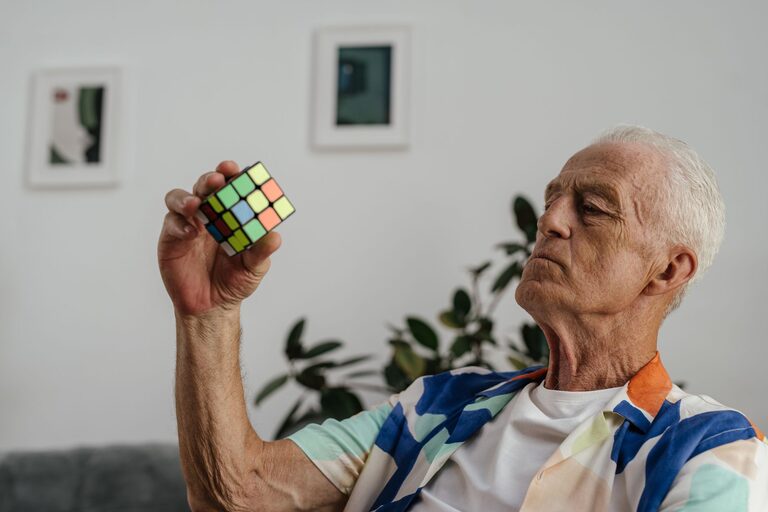
If you enjoy puzzles and challenges, consider activities that involve planning and logical thinking. Options include chess, crossword puzzles, model building, strategy games, escape room activities, or learning how to solve a Rubik’s Cube.
These hobbies can be especially engaging because they present clear problems to solve. You can often see your progress as you develop new strategies and become more confident.
Active and outdoor hobbies
Physical movement can also engage your mind. Hiking, birdwatching, gardening, cycling, dancing, and geocaching require awareness, decision-making, and attention to your surroundings.
Outdoor hobbies offer the added benefit of changing your environment. A new setting can make an activity feel more refreshing and may help you notice details you would otherwise overlook.
Match the Hobby to Your Lifestyle
A hobby should fit into your life rather than create unnecessary stress. Before choosing an activity, consider how much time, space, money, and equipment it requires.
For example, a hobby that needs a large workspace may not be practical in a small home. An activity that requires several hours each day may be difficult to maintain if your schedule is full.
Consider these questions:
– Can I practice this hobby at home?
– How much time can I realistically spend on it?
– Do I need special equipment?
– Can I try it at a low cost?
– Is it better suited to solo or group participation?
A hobby that takes 15 minutes a few times a week can still be valuable. Starting with a manageable commitment makes it easier to build a routine.
Try Before You Commit
You do not need to decide immediately whether a hobby will become a permanent part of your life. Treat your first attempt as an experiment.
Try one of these approaches:
- Borrow equipment instead of buying it.
- Attend a beginner class or community workshop.
- Watch an introductory lesson.
- Use a library book or free online guide.
- Join a local group for a single meeting.
- Set aside two or three short practice sessions.
After trying the activity, ask yourself how you felt before, during, and after. Did you feel curious? Was the challenge enjoyable? Did you want to learn more? These answers are often more useful than judging your early performance.
Choose the Right Level of Challenge
A hobby should be challenging enough to hold your attention but not so difficult that you feel discouraged. If an activity seems overwhelming, break it into smaller steps.
For example, a beginner learning photography might start by practicing composition with a phone instead of purchasing a professional camera. Someone interested in writing might begin with short journal entries rather than attempting a full book.
Look for activities that help you enter a state of steady focus. You should have to pay attention, but the next step should still feel possible. As your skills improve, increase the level of difficulty gradually.
Follow Progress, Not Perfection
Many people abandon hobbies because they expect quick results. Early mistakes are a normal part of learning. They provide information about what to practice next.
Keep track of small improvements, such as:
– Completing a more difficult project
– Learning new vocabulary
– Finishing a book
– Improving your technique
– Spending more time focused
– Understanding something that once seemed confusing
A simple notebook or digital list can help you see progress over time. Celebrating small achievements makes the hobby more rewarding and encourages you to continue.
Add Variety to Keep Your Mind Fresh
You do not have to choose only one hobby. Some people enjoy having a main activity and a few smaller interests. For example, you might practice a musical instrument during the week, read on weekends, and try a new recipe once a month.
Rotating activities can prevent boredom and help you discover connections between different skills. Photography may improve your observation skills, while cooking may strengthen planning and creativity.
However, avoid collecting too many hobbies at once. Choose a small number that you can enjoy without turning them into another set of obligations.
Connect With Other People
A hobby can become more engaging when shared with others. Consider joining a book club, walking group, language exchange, art class, or online community focused on your interest.
Other people can provide encouragement, ideas, and helpful feedback. Group activities also create a sense of structure, which can make it easier to practice regularly.
If you prefer solitary hobbies, you can still connect occasionally by sharing your work, reading about other people’s experiences, or attending an event related to the activity.
Give Yourself Permission to Change Direction
Not every hobby will be a perfect match. You may enjoy an activity for a few weeks and then lose interest. That does not mean the time was wasted. Each experiment teaches you more about your preferences, energy, and learning style.
If a hobby no longer feels enjoyable, ask whether you need a new approach or a different activity. You might need a simpler project, a supportive group, or a short break. If the interest has truly faded, move on without guilt.
The goal is not to build the most impressive list of hobbies. It is to create regular opportunities for curiosity, focus, and enjoyment. Start with one small experiment, stay open to surprises, and let your interests develop naturally.