
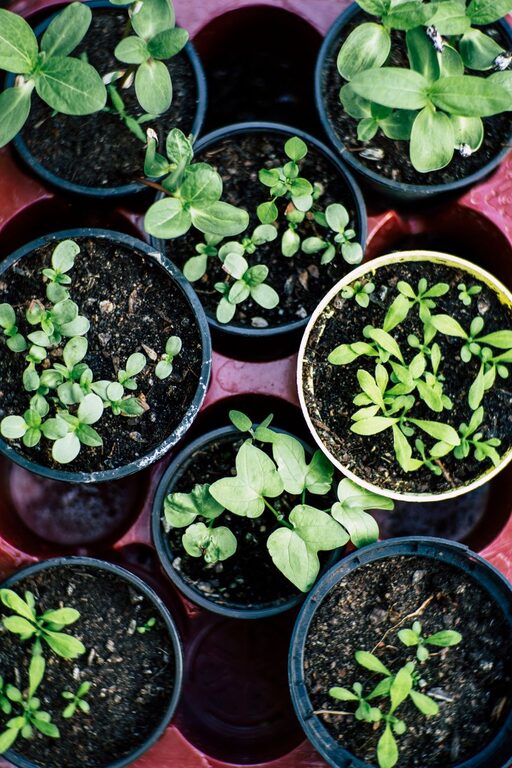
Gardening does not have to involve a large yard, expensive tools, or hours of free time. Small, beginner-friendly projects can make it easier to spend a few minutes outdoors each day while learning how plants grow. Whether you have a sunny windowsill, a balcony, or a backyard, there are plenty of ways to create a simple gardening routine.
The key is to choose projects that are easy to maintain and enjoyable to revisit. A few minutes of watering, checking leaves, pulling weeds, or harvesting herbs can become a natural part of your day.
Start With a Simple Gardening Routine
Before choosing a project, think about how much space, sunlight, and time you have available. A successful garden begins with realistic expectations.
Consider these questions:
– Do you have a windowsill, balcony, patio, or yard?
– How much direct sunlight does the area receive?
– Can you check your plants for a few minutes each day?
– Would you rather grow flowers, herbs, vegetables, or a combination?
– Do you prefer containers that can be moved or plants placed directly in the ground?
Choose one small project to begin with instead of starting several at once. A manageable garden is easier to enjoy and maintain.
1. Create a Windowsill Herb Garden
A windowsill herb garden is one of the simplest ways to begin gardening. Many herbs grow well in containers and can provide a reason to check your plants every day.
Good beginner choices include:
– Basil
– Chives
– Mint
– Parsley
– Oregano
– Thyme
Use small pots with drainage holes and place them near a bright window. Check the soil regularly, but water only when the surface feels dry. Overwatering is a common problem, so it is better to check the soil before adding more water.
Daily activities may include turning the pots so plants grow evenly, removing dry leaves, and picking a few fresh herbs for meals. These small tasks can take only a few minutes while helping you become familiar with your plants’ needs.
2. Plant a Container Salad Garden
A container salad garden can fit on a patio, balcony, or sunny doorstep. Leafy greens such as lettuce, spinach, and arugula often grow well in containers and can be harvested gradually.
To get started:
- Choose a wide container with drainage holes.
- Fill it with potting mix designed for containers.
- Sow seeds according to the package directions.
- Place the container where it receives suitable sunlight.
- Check the soil and seedlings regularly.
As the plants grow, you can observe new leaves, remove damaged foliage, and harvest outer leaves as needed. Planting a second container a few weeks later can create an ongoing project with different growth stages to watch.
3. Build a Pollinator-Friendly Flower Pot
A flower pot filled with pollinator-friendly plants adds color and gives you a reason to spend time outdoors. Look for flowers that suit your local climate and the amount of light available.
You might include:
– Marigolds
– Zinnias
– Coneflowers
– Sunflowers
– Lavender
– Native flowering plants
Choose a container large enough for the plants to grow comfortably. Read the plant labels to learn about sunlight, spacing, and watering needs.
Daily or regular tasks can include observing which flowers are opening, checking for new buds, and removing faded blooms when appropriate. You can also keep a simple list of the insects and birds you notice visiting the flowers.
4. Make a Small Salad or Salsa Garden
Growing a few edible plants can turn gardening into a practical daily activity. Instead of planting a large vegetable garden, start with two or three containers.
Beginner-friendly options include:
– Cherry tomatoes
– Green onions
– Peppers
– Radishes
– Bush beans
– Cucumbers grown with support
Choose plants that match your available space. Some vegetables need room to spread, while others grow well in compact containers.
Check plants for new growth, guide vines onto a small trellis, and look for ripe produce. Harvesting even a small amount can make the project feel rewarding. Keep a note of planting dates and harvests to help you plan future containers.
5. Create a Daily Garden Observation Journal
A garden journal turns routine plant care into a simple observation project. You do not need artistic skills or a special notebook. A few pages in a regular journal are enough.
Record details such as:
– Weather conditions
– Plants that were watered
– New leaves or flowers
– Insects or birds you noticed
– Harvests
– Questions for later research
You can also sketch a leaf, take a daily photograph, or write one sentence about what changed. This project encourages you to slow down and notice small developments that are easy to miss.
A journal is especially useful for beginners because it creates a record of what worked. Over time, you can compare planting dates, sunlight levels, and watering habits.
6. Set Up a Compost Collection Project
Composting can be a useful gardening project if you have the space and local guidelines support it. Start by collecting suitable plant-based kitchen scraps, such as fruit and vegetable pieces, coffee grounds, and dry leaves.
Before beginning, check local recommendations and learn which materials are accepted. Some compost systems are designed for outdoor use, while others are made for small spaces.
Daily activity might include adding scraps, mixing the materials, checking moisture, or collecting dry leaves for balance. A small compost project also connects everyday household habits with future garden use.
If a full compost bin is not practical, you can simply create a leaf collection area for garden mulch. Always keep the project tidy and follow local rules.
7. Design a Garden Path or Care Station
A garden path or care station can make everyday gardening easier and more inviting. You do not need to build anything complicated. Place a small stool, watering can, gloves, and hand tools near your containers or garden bed.
For a simple path, use materials such as:
– Flat stepping stones
– Wood chips
– Gravel
– Mulch
– Reused bricks
A defined path helps protect soil from being compacted and gives you a clear place to walk while checking plants. A nearby care station can encourage short visits because the tools are ready to use.
Keep tools clean and store them safely after each session. Choose stable surfaces and avoid placing equipment where it could become a tripping hazard.
Turn Garden Tasks Into Daily Habits
The easiest way to stay involved is to connect gardening with something you already do. For example, check your plants after breakfast, water containers after returning home, or harvest herbs while preparing dinner.
Try this simple weekly rhythm:
– Monday: Check soil moisture and plant growth
– Tuesday: Remove dry leaves or light weeds
– Wednesday: Take a photo or update your journal
– Thursday: Inspect containers for pests or damage
– Friday: Harvest herbs, greens, or ripe produce
– Saturday: Refresh mulch or tidy the garden area
– Sunday: Plan the next small task
Not every task needs to happen every day. Plant needs vary, and some days may require only observation. The goal is to create a pleasant routine rather than a demanding schedule.
Keep the Project Enjoyable
Begin with plants that match your space and local growing conditions. Read care labels, use containers with drainage, and ask a local garden center for beginner recommendations when needed.
Most importantly, allow room for trial and error. A plant may struggle, seeds may grow unevenly, or a container may need to be moved to a brighter spot. Each result provides useful information for the next project.
With a few containers, basic tools, and a little consistency, gardening can become an easy way to add purposeful outdoor activity to your day. Small projects often lead to new skills, fresh ingredients, and a closer connection to the seasons.