
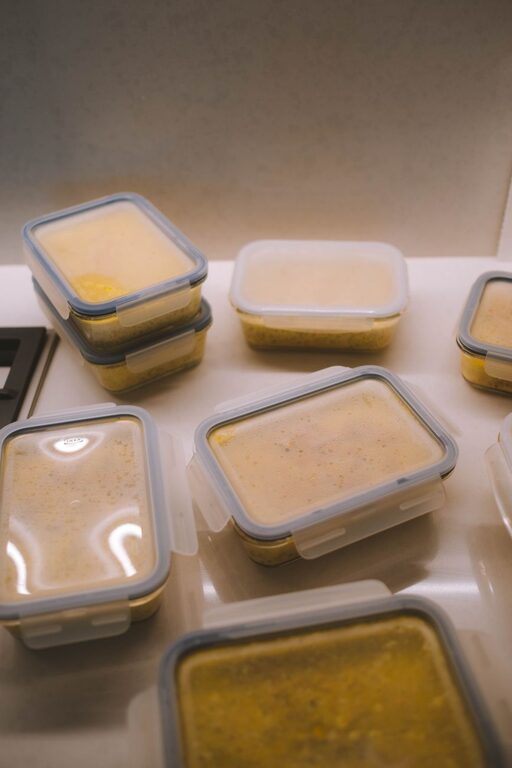
Busy schedules can make meals feel like one more task to manage. Between work, errands, workouts, family commitments, and social plans, it is easy to rely on last-minute takeout or skip planning altogether.
Meal planning does not have to mean preparing every meal in advance or following a strict schedule. A simple system can help you make fewer decisions, use the groceries you buy, and keep convenient meals within reach.
The key is to create habits that fit your real routine. Here are practical ways to make meal planning easier, more flexible, and more sustainable.
Start With a Simple Weekly Plan
Instead of planning every breakfast, lunch, dinner, and snack, begin with a short list of meals for the week. Choose three or four dinners and leave room for leftovers, quick meals, and changes in your schedule.
A basic weekly plan might include:
- Two meals that can be cooked in one pan or pot
- One meal that uses the slow cooker or pressure cooker
- One quick meal for a busy evening
- One flexible meal made from leftovers
This approach gives you structure without making the week feel rigid. If plans change, you can move meals around rather than abandoning the entire plan.
Build Meals From Repeatable Components
You do not need a different recipe every day. Preparing a few flexible ingredients can make several meals throughout the week.
Think in terms of components rather than complete dishes:
- A protein such as eggs, beans, chicken, tofu, fish, or yogurt
- A grain or starchy food such as rice, pasta, potatoes, oats, or tortillas
- Vegetables that can be roasted, steamed, sautéed, or eaten raw
- A sauce, dressing, salsa, or seasoning blend
For example, roasted vegetables and cooked rice can become a bowl, a wrap filling, or a side dish. Cooked chicken can be added to salads, sandwiches, pasta, or soup. Reusing ingredients in different ways saves time while keeping meals interesting.
Use a Two-Step Grocery List
A useful grocery list has two parts: items you buy regularly and items you need for specific meals.
Keep a running list of dependable staples, such as:
- Fresh or frozen vegetables
- Fruit
- Eggs and dairy or dairy alternatives
- Canned beans and tomatoes
- Whole grains, bread, rice, or pasta
- Simple sauces and seasonings
- Freezer-friendly proteins
Then add the ingredients needed for your planned meals. Before shopping, check your refrigerator, freezer, and pantry. This prevents duplicate purchases and helps you use food before it goes to waste.
Choose Quick Wins for Busy Days
Some days allow time for cooking, while others do not. Plan for both. Include meals that take 15 to 20 minutes or require little preparation.
Quick meal ideas include:
- Scrambled eggs with toast and sliced fruit
- Bean and vegetable quesadillas
- Pasta with frozen vegetables and a simple sauce
- Grain bowls with prepared ingredients
- Soup with a sandwich or side salad
- Greek-style yogurt with oats, fruit, and nuts
Keep a few convenience items on hand, such as frozen vegetables, prewashed greens, canned beans, microwaveable grains, and rotisserie chicken. These products can be useful shortcuts when your schedule is full.
Prepare Ingredients Instead of Full Meals
Full meal prep can take several hours, but ingredient prep is often faster and more flexible. Set aside 30 to 60 minutes once or twice a week to handle basic tasks.
You might:
- Wash and cut vegetables
- Cook a pot of rice, grains, or pasta
- Prepare a batch of beans or lentils
- Boil eggs
- Mix a dressing or sauce
- Portion snacks into containers
Store prepared ingredients in clear, labeled containers so they are easy to see and use. When food is visible, you are more likely to remember it before it gets pushed to the back of the refrigerator.
Plan for Leftovers on Purpose
Leftovers are one of the easiest ways to reduce cooking time. Rather than treating them as an afterthought, plan to make extra portions when preparing dinner.
To keep leftovers appealing, change how you serve them. A roasted vegetable dinner can become a wrap the next day. Leftover rice can be combined with eggs and vegetables for a quick skillet meal. Cooked meat or beans can be added to soup, tacos, or a salad.
You can also freeze extra portions of soups, sauces, cooked grains, and casseroles. Mark containers with the name and date so you can quickly identify what is available.
Match Meals to Your Schedule
Look at your calendar before making your meal plan. Identify evenings when you will be home, days when you need food to travel, and times when you are likely to have limited energy.
For example:
On long workdays
Choose meals that can be assembled quickly or reheated. Prepare part of the meal in advance, such as washing produce or cooking a grain.
On active days
Pack portable options that are easy to eat before or after activities. Sandwiches, wraps, fruit, yogurt, trail mix, and prepared grain bowls can travel well when stored properly.
On quieter days
Use extra time to cook a larger recipe, test a new dish, or prepare ingredients for the next few days.
Planning around your schedule makes the system more realistic than assigning the same type of meal to every day.
Create a Flexible Breakfast and Lunch Routine
Breakfast and lunch do not need to be completely different every day. A small rotation of reliable options can reduce decision-making.
You might choose three breakfasts, such as overnight oats, eggs with toast, and yogurt with fruit. For lunch, rotate among leftovers, sandwiches, salads, and grain bowls.
Keep ingredients for these meals easy to access. A repeatable routine is especially helpful on mornings when you are short on time.
Keep an Emergency Meal List
Even the best plans can be interrupted. Create a list of meals you can make with ingredients that are usually available at home.
An emergency meal might combine:
- Canned beans with rice and salsa
- Frozen vegetables with noodles and a simple sauce
- Eggs with toast and fruit
- Soup with crackers or a sandwich
- Peanut butter or hummus with bread and sliced vegetables
Having a backup list helps you avoid unnecessary shopping trips and makes an unpredictable day easier to manage.
Review and Adjust Each Week
Meal planning works best when it changes with your routine. At the end of the week, take a few minutes to consider what worked and what did not.
Ask yourself:
- Which meals were easy to prepare?
- Which ingredients were used quickly?
- What food was left over?
- Which days needed faster options?
- What would make next week simpler?
Use the answers to improve your plan gradually. You may discover that fewer recipes, more freezer meals, or a shorter grocery list fits your lifestyle better.
Make Planning Easy to Repeat
The most helpful meal plan is one you can repeat without much effort. Use a notes app, calendar, printed template, or whiteboard to keep your plan visible. Save favorite recipes in one place and maintain a short list of dependable meals.
Start with one planning session each week, a few flexible meals, and a small amount of ingredient preparation. Over time, these habits can make meals more predictable without taking away flexibility.