
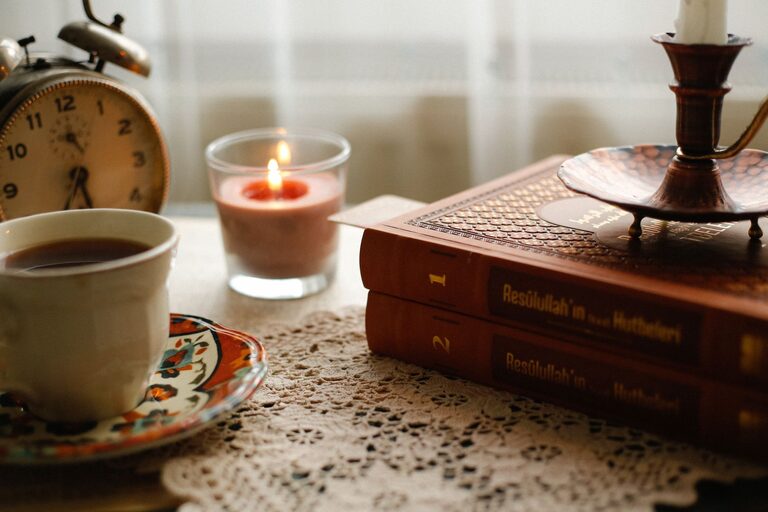
A relaxing evening routine can help you shift out of “work mode” and make space for rest. While phones, television, and computers are convenient ways to unwind, using them late in the day can keep your attention busy. A screen-free routine offers a simple alternative: fewer notifications, less scrolling, and more time to enjoy quiet activities.
The best routine does not need to be complicated. A few consistent habits can create a gentle transition from a busy day to a peaceful evening. Here is how to build a routine that feels natural, enjoyable, and easy to maintain.
Start by Choosing a Screen Free Time
You do not have to avoid screens for the entire evening. Begin with a realistic time period, such as 30 minutes before bed. Once that feels comfortable, you can extend it to an hour or more.
Choose a starting point that fits your schedule. If you often finish work late or have family responsibilities, a shorter screen-free period may be more practical than a strict rule. The goal is to create a reliable pause, not to make your evening feel restricted.
Consider setting a regular starting time. For example, you might decide that screens go away at 9 p.m. This makes the habit easier to remember and reduces the need to make the same decision every night.
Make the Transition Clear
A simple transition can signal that the screen-free part of your evening has begun. You might:
– Turn off your computer and place it out of sight
– Put your phone on a charger in another room
– Switch from bright overhead lights to softer lamps
– Make a cup of tea or pour a glass of water
– Change into comfortable clothes
– Play quiet music from a device set up in advance
These small actions create a sense of closure and help separate the evening from the rest of the day.
Prepare Your Space for Calm
Your surroundings can influence how easy it is to relax. You do not need to redesign your home. A few simple changes can make your evening space feel more inviting.
Start by clearing one small area, such as a bedside table, a reading chair, or part of the kitchen counter. A tidy space can make it easier to focus on the activity in front of you.
Next, adjust the lighting. Use lamps, candles, or other gentle light sources if they are safe and suitable for your home. Softer lighting can make the evening feel different from the daytime and create a more restful atmosphere.
You can also gather the items you are likely to use:
– A book or magazine
– A journal and pen
– Comfortable clothing
– A blanket
– A puzzle or creative project
– A calming beverage
– A small speaker for music
Preparing these items in advance removes friction. When everything is ready, you are less likely to reach for your phone out of habit.
Choose Low Effort Activities
A screen-free evening should feel relaxing, not like another task list. Choose activities that are simple enough to enjoy when your energy is low.
Reading is a classic choice. Pick something that matches your mood, whether that is a novel, poetry collection, travel book, or light magazine. If you find yourself choosing books that feel too demanding, keep an easy and enjoyable option nearby.
Writing can also help you slow down. You might keep a short evening journal and answer one or two prompts:
– What was one good moment from today?
– What would I like to remember?
– What can wait until tomorrow?
– What am I looking forward to?
There is no need to write several pages. A few sentences can be enough to mark the end of the day.
Other relaxing activities include:
– Doing a crossword or jigsaw puzzle
– Sketching, coloring, or painting
– Knitting, sewing, or another craft
– Listening to music or an audiobook
– Organizing photos in a physical album
– Preparing clothes for the next day
– Practicing a gentle hobby
– Having a quiet conversation with someone at home
The right activity is one that holds your attention without making you feel pressured to perform.
Add a Simple Personal Care Ritual
Personal care can become a calming part of your evening when you approach it slowly. Rather than rushing through the final tasks of the day, treat them as a transition into rest.
Take a warm shower or wash your face. Brush your teeth, moisturize, or follow another basic care routine that feels comfortable. You can also prepare your bedroom by arranging pillows, opening a window briefly if appropriate, or setting out what you need for the morning.
Try to keep this part of the evening predictable. Repeating the same steps can make the routine feel familiar and reassuring.
Avoid turning personal care into a long list of obligations. The purpose is not to create a perfect routine. It is to give yourself a few quiet moments to reset.
Practice Gentle Movement
Light movement can help release some of the stiffness that builds up during the day. Choose something comfortable and unhurried, such as:
– Gentle stretching
– A short walk
– Simple yoga poses
– Slow breathing exercises
– Easy mobility movements
Keep the focus on comfort rather than intensity. You can spend five minutes stretching your shoulders, neck, back, and legs, or take a relaxed walk around your neighborhood.
If movement makes you feel more alert, place it earlier in your evening. If it helps you settle, include it closer to bedtime. Pay attention to how different activities affect your energy and adjust your routine accordingly.
Create a Small Closing Ritual
A closing ritual helps you finish the day mentally as well as physically. This can be as simple as writing tomorrow’s top three priorities on paper. Once they are written down, you may find it easier to stop thinking about them for the evening.
You could also review your calendar, prepare breakfast items, or place your keys and bag near the door. These practical steps reduce morning decisions without requiring you to return to a screen.
End with one peaceful activity, such as reading a few pages, listening to soft music, or sitting quietly with a warm drink. Try to keep this final part of the routine consistent.
Make the Routine Flexible
Some evenings will not go according to plan. You may have errands, guests, household tasks, or unexpected changes. A flexible routine is more sustainable than one that depends on perfect conditions.
Create a short version for busy nights. For example:
- Put your phone away.
- Dim the lights.
- Wash up and change clothes.
- Write down tomorrow’s priorities.
- Read for ten minutes.
On more relaxed evenings, you can add a walk, a hobby, or a longer conversation. Both versions count. What matters is maintaining the general pattern of slowing down without screens.
Notice What Works for You
Give your routine a week or two before deciding whether it suits you. Notice which activities feel calming and which ones feel like extra work. You may discover that reading helps one night, while music, journaling, or quiet conversation works better on another.
Keep the habits that make your evenings feel more peaceful. Remove anything that creates pressure. A screen-free routine should support your life, not become another standard you have to meet.
With a few thoughtful choices, your evening can become a welcome pause between the demands of the day and the quiet of night. Start small, make the routine enjoyable, and let it grow at a pace that feels right for you.