
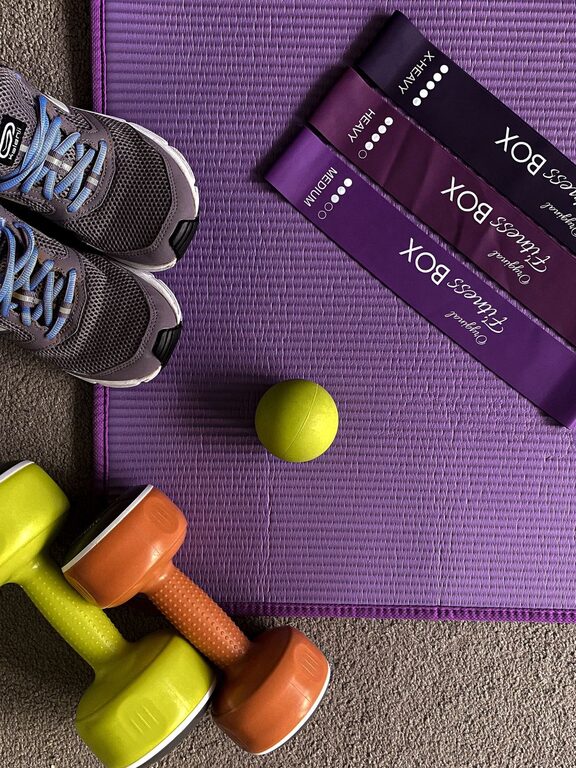
Walking is one of the simplest ways to add more movement to your day, and you do not need a large space or expensive equipment to get started. With a few thoughtful adjustments, you can create a comfortable home walking workout that fits your schedule and keeps you moving in any weather.
An indoor walking routine can take place in a hallway, living room, basement, spare room, or even around the outside of a kitchen island. The goal is to create a safe, convenient setup that makes walking feel easy to begin and enjoyable to repeat.
Choose the Best Walking Area
Start by looking for a clear space where you can walk without frequently moving furniture. A longer path is useful, but it is not required. You can walk back and forth across a room, make wide loops, or march in place.
Consider these features when choosing your space:
– A level, stable floor
– Good lighting
– Enough room to turn comfortably
– Clear pathways without loose cords or clutter
– Comfortable room temperature
– Easy access to water
If you plan to walk in a living room, move coffee tables, footstools, baskets, and small decorations away from your route. In a hallway, check that doors are fully open and rugs are secure.
A dedicated space can make the routine easier to maintain, but it is not essential. Even a small area can work when you combine walking, side steps, and marching in place.
Prepare the Floor and Surroundings
A comfortable surface can make a noticeable difference during an indoor walking workout. Hardwood, laminate, tile, and low-pile carpet can all work well if they are clean and free of slipping hazards.
Before each workout, check the area for:
– Loose rugs or curled edges
– Toys, shoes, and other objects
– Charging cables and electrical cords
– Wet spots or recently cleaned floors
– Furniture with sharp corners near the walking path
If you use a mat, choose one that lies flat and does not slide. A thick exercise mat may be useful for warm-up movements, but it can feel awkward for steady walking. Test the surface with a few steps before beginning your full routine.
Keep pets and other household traffic in mind, too. If possible, choose a time when the space is less busy. This helps you stay focused and reduces the chance of interruptions.
Wear Comfortable Clothing and Shoes
You do not need special clothing for a home walking workout. Choose lightweight layers that allow you to move easily and prevent you from becoming too warm.
Supportive walking or athletic shoes are often a good choice, especially if you will walk on a hard floor. Look for shoes that:
– Fit securely without squeezing
– Have enough room for your toes
– Feel stable when you turn
– Have a comfortable, well-fitting sole
– Are in good condition
Avoid walking in socks on smooth floors, since they may slide. Bare feet may also be uncomfortable on hard surfaces. If you prefer indoor shoes, keep a clean pair near your workout area so they are ready to use.
Comfort matters more than appearance. If your clothing, shoes, or socks are distracting you, it will be harder to settle into a regular routine.
Add Simple Equipment
A home walking workout can be completely equipment-free. Still, a few optional items may make the experience more convenient:
– A water bottle
– A clock, timer, or phone
– A small speaker or headphones
– A fan
– A towel
– A sturdy chair for balance during gentle movements
You can also use a television, tablet, or computer for a walking video or music. If you use a screen, place it where you can see it without constantly looking down. Keep the volume low enough to remain aware of your surroundings.
Avoid carrying weights while walking unless you are already comfortable with the movement and have a safe reason to add resistance. For most people, focusing on steady steps, good posture, and an enjoyable pace is enough.
Start With a Simple Routine
A basic indoor walking session can last about 15 to 30 minutes. Adjust the length to match your current schedule and comfort level.
1. Warm up for three to five minutes
Begin with an easy pace. Walk slowly around the room or march gently in place. Let your arms move naturally and allow your breathing to become more even.
You can also add gentle shoulder rolls, ankle movements, or a few slow side steps. Keep the warm-up relaxed rather than turning it into a separate workout.
2. Walk at a comfortable pace
For the main part of the session, use a pace that feels purposeful but manageable. You should be able to speak in short sentences without feeling rushed.
Try several simple patterns:
– Walk forward and back along a clear path
– Make wide loops around the room
– March in place
– Take two steps to one side, then return
– Alternate regular steps with gentle knee lifts
– Walk during a favorite podcast or music playlist
Change direction occasionally if your space allows it. This can make the workout feel less repetitive and gives you a chance to use different movement patterns.
3. Cool down for three to five minutes
Gradually slow your pace instead of stopping suddenly. Finish with easy walking and relaxed breathing. Gentle stretching can be added afterward if it feels comfortable, but avoid forcing any movement.
Use Good Walking Form
Simple posture cues can help make indoor walking more comfortable. Keep your head lifted, look ahead, and allow your shoulders to relax. Let your arms swing naturally instead of holding them stiffly.
Take steps that feel controlled. Very long strides can make turning awkward, especially in a small room. Keep your feet pointed generally forward and stay aware of the floor beneath you.
If you march in place, lift your feet only as high as feels stable. You do not need exaggerated movements to create an effective routine. Smooth, consistent motion is more important than speed.
Make the Workout Enjoyable
The easiest routine to maintain is one that fits naturally into your day. Choose a regular time, such as before breakfast, during a lunch break, or while listening to an evening program.
You can make each session more appealing by:
– Creating a short playlist
– Listening to an audiobook or podcast
– Walking while watching a light show
– Tracking completed sessions on a calendar
– Inviting a household member to join you
– Setting a small weekly goal
If you have limited time, divide one longer walk into several shorter sessions. A few minutes of walking in the morning, afternoon, and evening can be easier to fit into a busy schedule than one uninterrupted workout.
Keep Safety in Mind
Start at an easy pace and increase your workout gradually. Pay attention to the floor, furniture, and your surroundings, especially when turning or changing direction.
Stop and rest if you feel unsteady, unusually uncomfortable, or unable to maintain control. If you have specific health concerns, ongoing pain, or questions about starting an exercise routine, consider speaking with a qualified professional for personalized guidance.
Your home walking workout does not need to be complicated. Clear a safe path, put on comfortable shoes, choose a manageable pace, and begin with a routine you can repeat. Over time, these small sessions can become a practical and enjoyable part of your regular day.